Can a BBA Student Become a Data Analyst?
You’ve just finished your 12th exams, and the pressure is on. Everyone says if you want a high-paying career in tech or data, you must have a B.Tech or a BSc in Statistics. You’re looking at a BBA (Bachelor of Business Administration) because you love business strategy, but there’s a nagging voice in your head: "Am I locking myself out of the data revolution?" Here is a surprising fact: Data analysis is 20% math and 80% business context. If you are wondering, "Can a BBA student become a data analyst?" The answer isn't just a simple yes, it's a Yes, and you might actually be better at it than a coder."
Why Business Students are Winning at Data
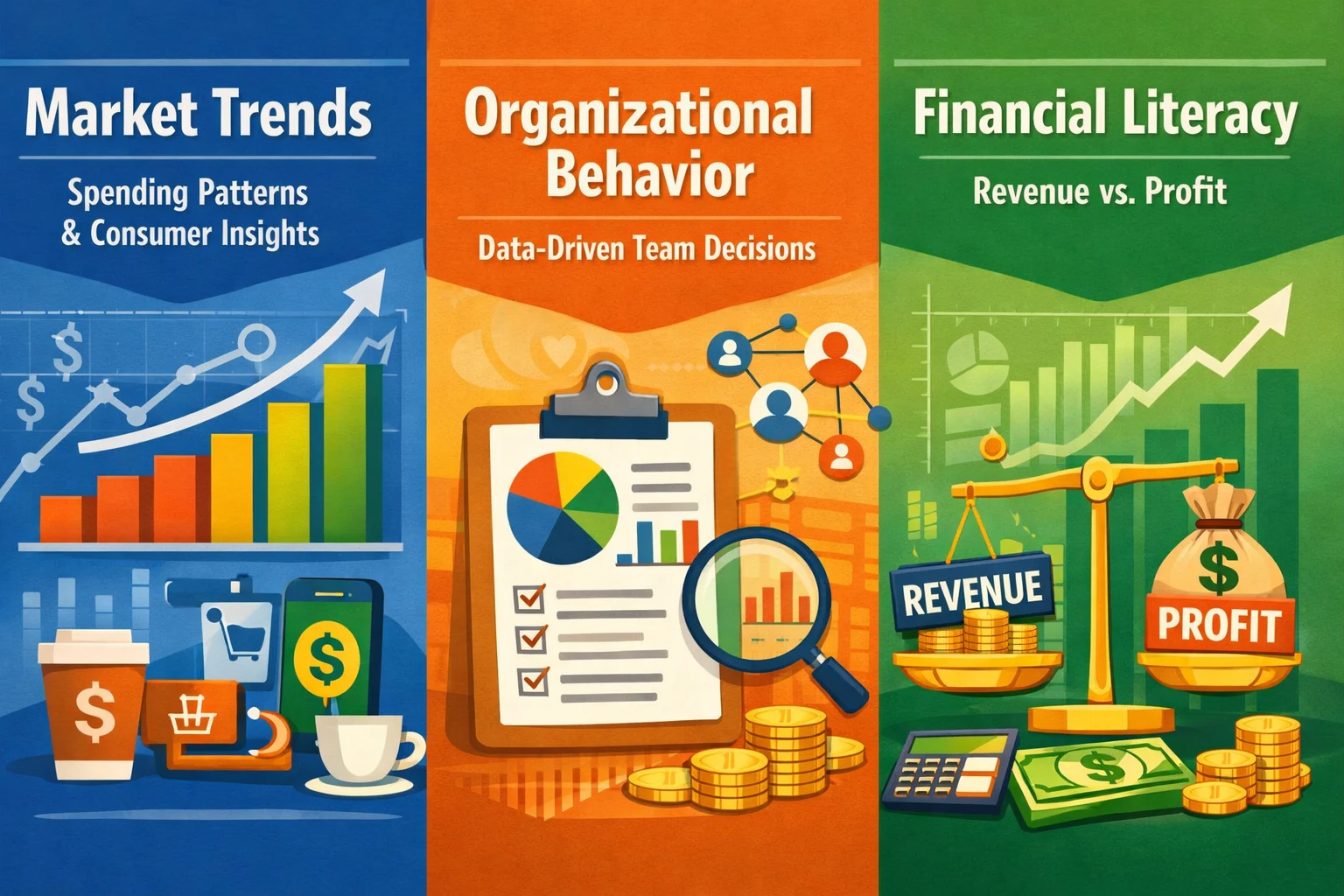
Companies don't just need people who can write Python code; they need people who understand why the numbers matter. A computer scientist can tell you that sales dropped by 10%. A BBA student can tell you that sales dropped because of a shift in consumer behavior, a supply chain bottleneck, or a competitor’s pricing strategy. As a BBA student, you are trained to understand:
- Market Trends: Recognizing patterns in how people spend money.
- Organizational Behavior: Understanding how data impacts team decisions.
- Financial Literacy: Knowing the difference between revenue and profit, which is surprisingly rare in pure tech circles!
BBA in Finance and Accounting by ICA Edu Skills and Shobhit University
If you want to ensure you have the technical edge while keeping your business roots strong, specialized programs are the way to go. The BBA in Finance and Accounting offered by ICA Edu Skills in collaboration with Shobhit University is a prime example. Early Analytics: Perform data analysis using Tally, Advanced Excel, and GST before even learning to code. 90% Practical Training: Intensive, computer-based learning to simulate real-world industry demands. 1-Year Paid Internship: Build your resume and earn while you learn with guaranteed professional placement. Future-Ready: A career path that is both industry-heavy and technologically advanced.
Get a BBA Degree with Paid Internship1-year paid internship + 10 Simulation Software + 4 Certifications to land high-paying roles |
|
| BBA in Accounting and Finance |
The 3-Step Roadmap from BBA to Data Analyst
If you’re starting your BBA journey now, here is how you bridge the gap:
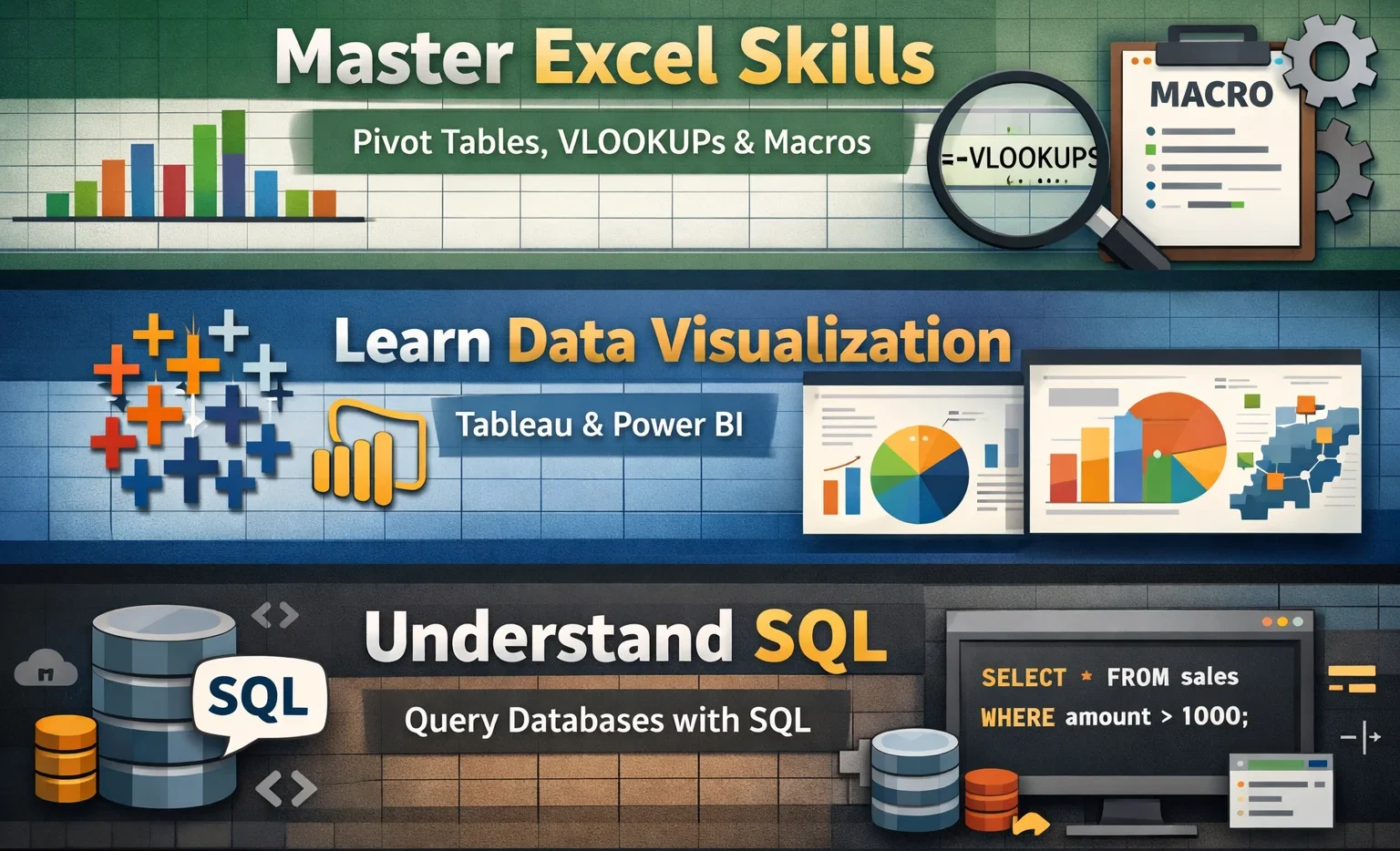
- Master the Excel: Forget fancy AI for a second. Most corporate data analysis still happens in Excel. Learn Pivot Tables, VLOOKUPs, and Macros.
- Learn a Visualization Tool: Pick up Tableau or Power BI. These tools allow you to turn boring spreadsheets into beautiful, interactive charts.
- Understand SQL: This is the only techy bit you really need. SQL is the language used to talk to databases. It’s logical, structured, and very easy for a business mind to grasp.
Conclusion
The walls between Business and Tech are crumbling. Today, the most successful professionals are those who stand at the intersection of both. Whether you choose a traditional path or a specialized BBA in Finance and Accounting, your ability to interpret data through a business lens will make you indispensable. So, can a BBA student become a data analyst? Absolutely. In fact, in a world drowning in numbers, the world is waiting for someone with a business brain to make sense of them. 
Frequently Asked Questions
1. Do I need to learn coding to become a Data Analyst after BBA?
While you don't need to be a software developer, learning basic SQL and the fundamentals of Python or R can significantly boost your salary. However, many analysts start using only Excel and Power BI.
2. Which is better for data roles: a General BBA or a BBA in Finance?
A BBA in Finance and Accounting is often preferred because it involves heavy work with numerical data, forecasting, and analytical thinking, which are core skills for any Data Analyst.
3. What is the average salary for a BBA graduate in a Data Analyst role?
In India, a fresher can expect anywhere between ₹4 LPA to ₹7 LPA, depending on their proficiency in tools like Excel, SQL, and Tableau. This typically grows faster than traditional administrative roles.